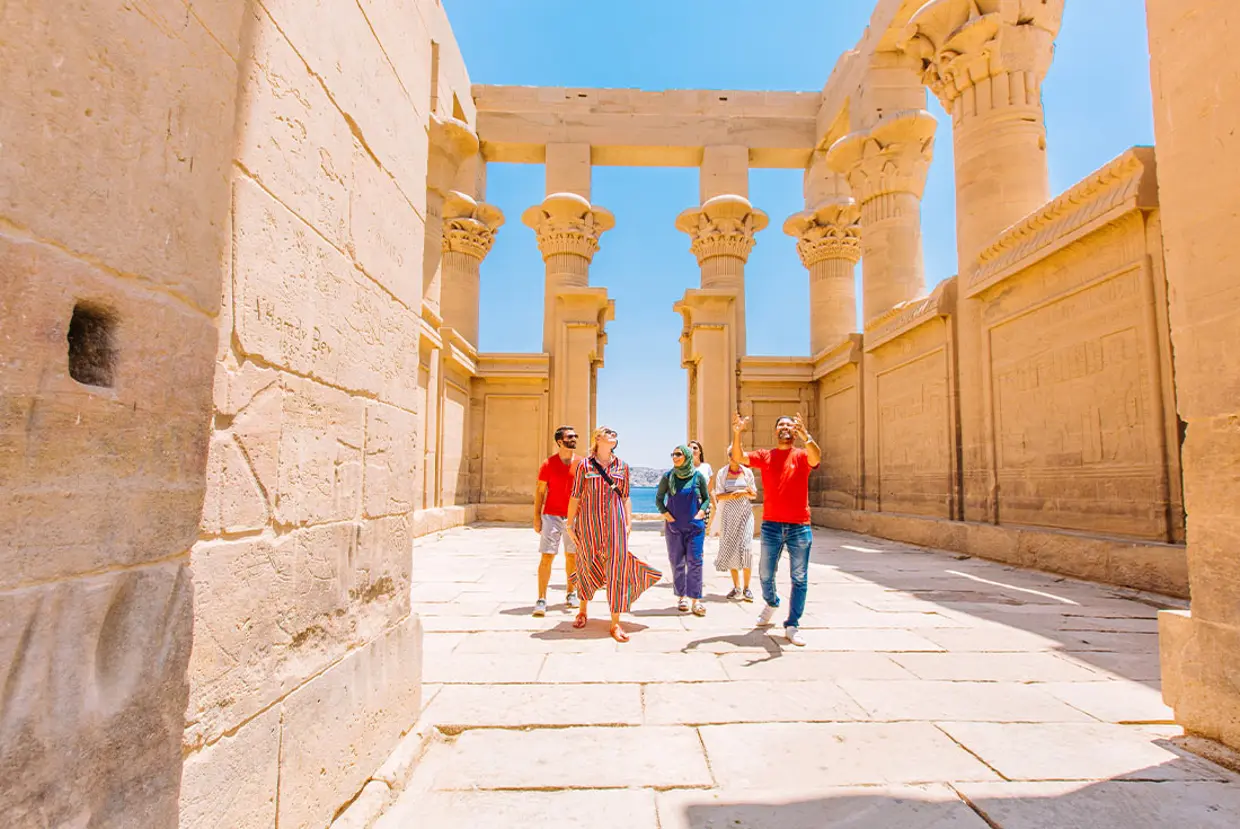
Abu Simbel Visitor Guide 2027: History, Tours, Travel Tips & Best Time to Visit
Abu Simbel Visitor Guide: Everything You Need to Know Before Visiting Egypt's Greatest Temple
Abu Simbel is one of the most extraordinary archaeological sites in the world and one of the highlights of any trip to Egypt. Located near the southern border of Egypt, close to Lake Nasser, the Abu Simbel Temples are among the country's most impressive monuments and a must-visit destination for history lovers, photographers, and cultural travelers.
Built by Pharaoh Ramses II more than 3,000 years ago, Abu Simbel is famous for its colossal statues, remarkable architecture, and incredible relocation project that saved the temples from flooding in the 1960s. Today, the site is a UNESCO World Heritage Site and one of Egypt's most popular attractions.
Whether you're visiting on a day trip from Aswan or as part of a luxury Egypt tour, this Abu Simbel Visitor Guide will help you plan the perfect visit.
Why Visit Abu Simbel?
Abu Simbel is considered one of the greatest achievements of Ancient Egyptian architecture.
Visitors travel to Abu Simbel to:
- See the colossal statues of Ramses II
- Explore one of Egypt's most famous temples
- Experience a UNESCO World Heritage Site
- Learn about Ancient Egyptian engineering
- Witness the incredible temple relocation project
- Discover one of the highlights of Upper Egypt
For many travelers, Abu Simbel is second only to the Pyramids of Giza as Egypt's most impressive archaeological attraction.
Where Is Abu Simbel?
Abu Simbel is located in southern Egypt, approximately 280 kilometers south of Aswan near Lake Nasser.
The site consists of two temples:
- The Great Temple of Ramses II
- The Temple of Queen Nefertari
Most visitors reach Abu Simbel from Aswan by road or domestic flight.
The History of Abu Simbel
The temples of Abu Simbel were built during the reign of Ramses II in the 13th century BC.
The Great Temple was dedicated to:
- Ra-Horakhty
- Amun-Ra
- Ptah
- Ramses II himself
The smaller temple was dedicated to Queen Nefertari and the goddess Hathor.
The temples were designed to demonstrate Egypt's power and the greatness of Ramses II.
Today, they remain among the finest surviving examples of Ancient Egyptian architecture.
The Incredible Rescue of Abu Simbel
One of the most remarkable stories associated with Abu Simbel is its relocation.
When the Aswan High Dam was constructed, rising waters from Lake Nasser threatened to submerge the temples forever.
An international rescue project carefully dismantled the temples and moved them to higher ground stone by stone.
The relocation preserved one of Egypt's greatest treasures and remains one of the largest archaeological preservation projects ever completed.
The Great Temple of Ramses II
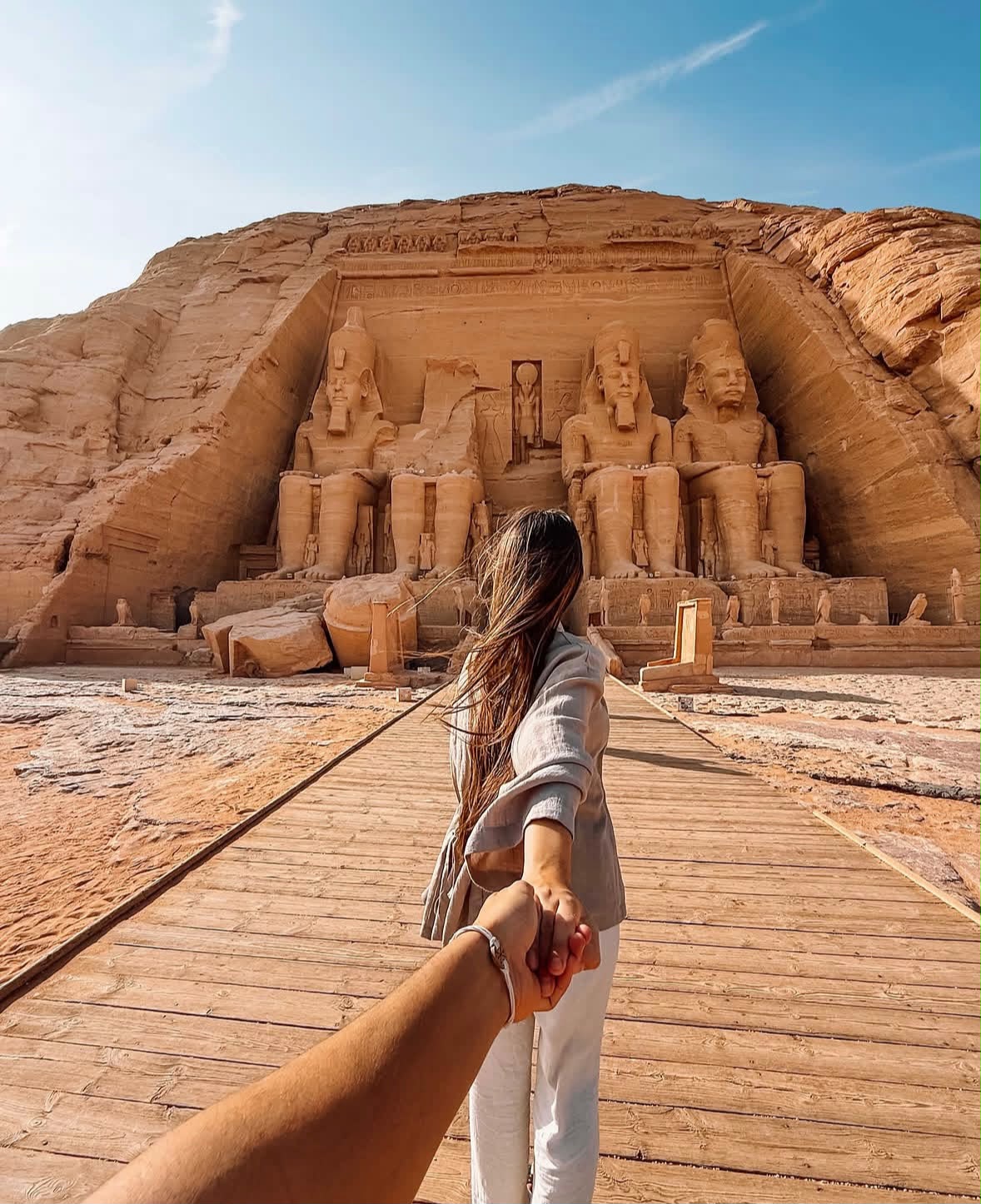
The Great Temple is the larger and more famous of the two Abu Simbel temples.
The entrance is guarded by four giant seated statues of Ramses II.
Highlights include:
- Colossal statues over 20 meters high
- Ancient battle scenes
- Hieroglyphic inscriptions
- Impressive chambers
- Sacred Sanctuary
The scale and craftsmanship of the temple continue to astonish visitors from around the world.
The Temple of Nefertari
Located beside the Great Temple, the Temple of Nefertari is one of the most beautiful monuments dedicated to a queen in Ancient Egypt.
The temple honors:
- Queen Nefertari
- The goddess Hathor
Visitors can admire:
- Elegant carvings
- Beautiful columns
- Ancient artwork
- Well-preserved reliefs
The temple is considered one of the finest examples of royal devotion in Ancient Egypt.
The Abu Simbel Sun Festival
Abu Simbel is famous for a unique solar phenomenon known as the Abu Simbel Sun Festival.
Twice each year, sunlight travels deep into the sanctuary of the Great Temple and illuminates statues inside the sacred chamber.
This remarkable event attracts visitors from around the world and showcases the extraordinary astronomical knowledge of Ancient Egyptian architects.
How to Visit Abu Simbel from Aswan
Most travelers visit Abu Simbel as a day trip from Aswan.
Popular options include:
Private Abu Simbel Tour
Ideal for:
- Couples
- Families
- Luxury travelers
- Photographers
Benefits include flexible schedules and personalized experiences.
Group Tour
A cost-effective option suitable for travelers seeking a guided experience.
Domestic Flight
The fastest option for travelers with limited time.
Many luxury Egypt tour packages include flights between Aswan and Abu Simbel.
Best Time to Visit Abu Simbel
The best time to visit Abu Simbel is between October and April.
During these months:
- Temperatures are more comfortable
- Sightseeing conditions are ideal
- Photography opportunities are excellent
Visitors are encouraged to arrive early in the morning to avoid crowds and midday heat.
How Long Do You Need at Abu Simbel?
Most travelers spend between 2 and 3 hours exploring the site.
This allows enough time to:
- Visit both temples
- Take photographs
- Learn about the history
- Explore the surrounding area
If you're passionate about archaeology or photography, you may wish to stay longer.
Photography at Abu Simbel
Abu Simbel is one of Egypt's most photogenic locations.
Popular photography subjects include:
- The giant statues of Ramses II
- Temple facades
- Sunrise views
- Lake Nasser scenery
- Temple interiors
Early morning is usually the best time for photography.
Abu Simbel and Nile Cruises
Many travelers combine Abu Simbel with:
- Luxor
- Aswan
- Nile Cruises
- Dahabiya Cruises
- Lake Nasser Cruises
This combination creates one of the most complete and rewarding Egypt travel experiences.
Luxury travelers often include Abu Simbel within a broader Upper Egypt itinerary.
What to Wear When Visiting Abu Simbel
Recommended clothing includes:
- Lightweight breathable clothes
- Comfortable walking shoes
- Sunglasses
- Hat or cap
- Sunscreen
The site is exposed to the sun for most of the day, so staying protected is essential.
Essential Abu Simbel Travel Tips
To enjoy the best experience:
- Start your journey early.
- Bring plenty of water.
- Wear comfortable shoes.
- Carry sun protection.
- Bring a camera.
- Consider a private guide.
- Combine Abu Simbel with Aswan attractions.
These simple tips can greatly enhance your visit.
Frequently Asked Questions
Is Abu Simbel worth visiting?
Absolutely. Abu Simbel is considered one of the most impressive archaeological sites in Egypt and is often described as a once-in-a-lifetime experience.
How far is Abu Simbel from Aswan?
Abu Simbel is approximately 280 kilometers south of Aswan.
Can you visit Abu Simbel in one day?
Yes. Most travelers visit Abu Simbel on a day trip from Aswan.
How long should I spend at Abu Simbel?
Most visitors spend 2 to 3 hours exploring the temples.
What is the best time to visit Abu Simbel?
October through April offers the most comfortable weather conditions.
Why Choose Velora Egypt Tours?
At Velora Egypt Tours, we create unforgettable Abu Simbel experiences tailored to your interests and travel style. Whether you're looking for a private Abu Simbel day trip from Aswan, a luxury Egypt tour, a Nile Cruise package, or a fully customized itinerary, our experienced team handles every detail.
From comfortable transportation and expert Egyptologist guides to luxury accommodations and personalized service, we help travelers experience Abu Simbel in comfort and style.
Final Thoughts
Abu Simbel is one of Egypt's greatest treasures and a destination that leaves a lasting impression on everyone who visits. From the monumental statues of Ramses II and the elegant Temple of Nefertari to the fascinating story of the temples' relocation, Abu Simbel showcases the brilliance of Ancient Egyptian civilization like few places on earth.
Whether you're exploring Upper Egypt, sailing the Nile, or planning the trip of a lifetime, Abu Simbel deserves a place at the very top of your Egypt bucket list.
Book your Abu Simbel adventure with Velora Egypt Tours and experience one of the world's most remarkable ancient wonders.
category
- Off The Beaten Path Travel
- Luxury Travel
- Sustainable And Eco Tourism
- Cultural Experiences
- Solo Travel
- Family Friendly Travel
- Food And Culinary Experiences
- Travel Tips And Advice
- Adventure Travel
- Destination Guides
recent posts
Is Egypt Safe to Visit?